


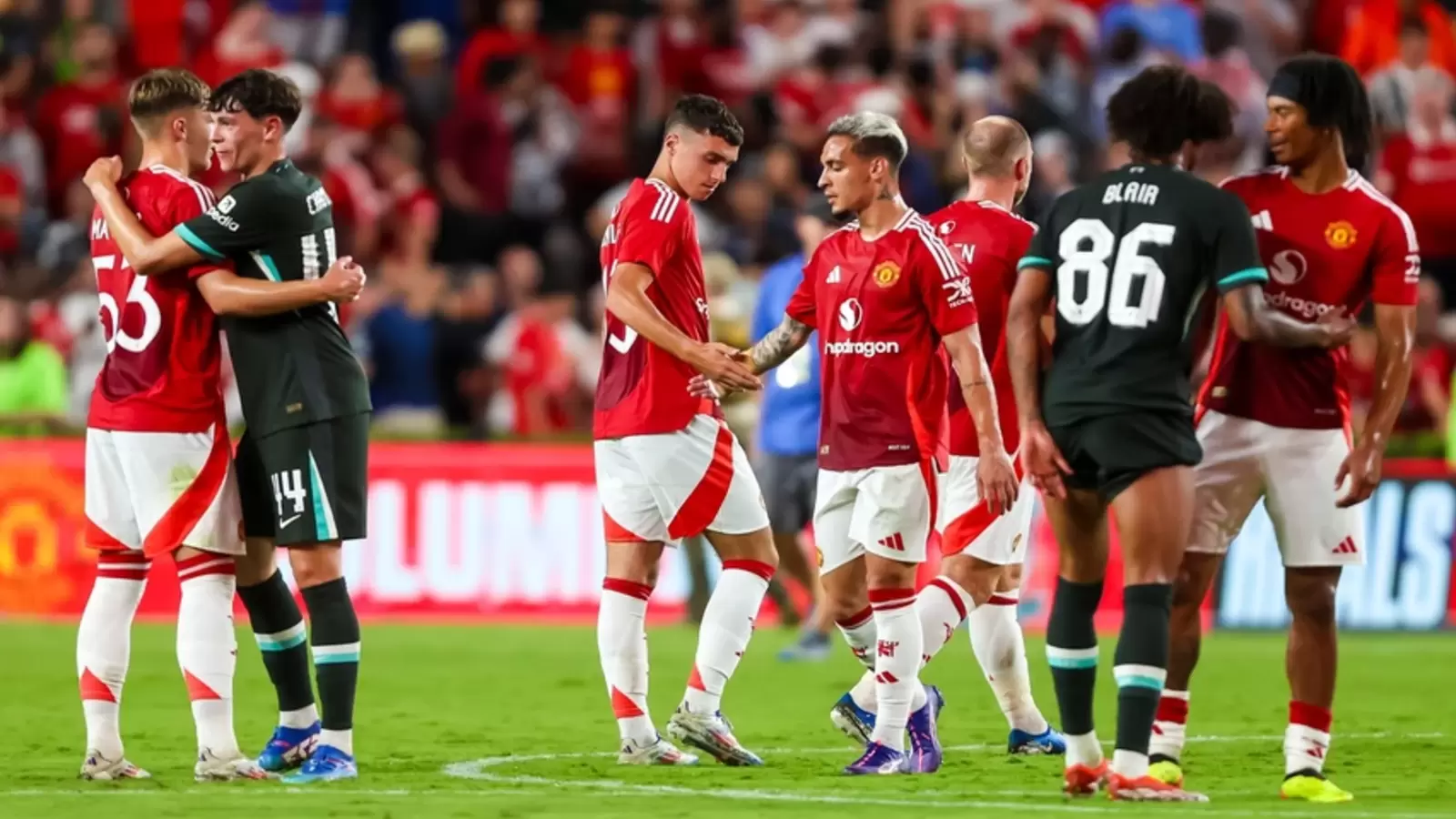
Manchester United is once again making headlines, this time due to an important meeting behind closed doors. Before the recent match against Wolverhampton, Ruben Amorim addressed his players with a straightforward message: change is coming. It was a serious announcement that left a significant impression on those present.
Although Amorim kept specifics to himself, players understood that the team setup was being evaluated and that tactical changes were imminent.
Following this meeting, training sessions have focused on a 4-3-3 formation, moving away from the three-at-the-back setup Amorim used since joining United. This major shift alters how the team presses, distributes in midfield, and structures its attacks. It also shows that the manager is willing to adapt, countering any views of him as inflexible. Timing is crucial, too.
As United enters a busy schedule with inconsistent results and upcoming absences due to the Africa Cup of Nations, preparations for the Bournemouth match already reflect this new approach, with players practicing extensively in the revised formation. For a club needing direction, even the idea of change is significant. The real importance lies not just in the new formation but in what it indicates about Amorim’s strategy during a critical phase of his tenure.
The Context Behind Amorim’s 3-4-3 Philosophy And Why Change Is Necessary
Ruben Amorim came to Manchester with an established reputation. His success at Sporting was built around a structured 3-4-3 system that led to domestic success and European recognition. At Sporting, this system was fixed; players either adapted or were replaced. This clear strategy produced results.
The Premier League has proven to be a tougher challenge. While there have been moments of promise, the performances under the same system have often felt uncoordinated. Control in midfield has been sporadic and creating chances has been more reliant on individual moments than teamwork. Opponents have learned to target United’s wing-backs and isolate central defenders.
Critiques have been growing. Analysts and former players have raised questions about whether the squad fits the current system. Inside the club, there’s recognition that some players are not in their optimal roles. Bruno Fernandes, for instance, often has to take on deeper roles with Casemiro, which limits his attacking contributions.
United’s wide players have also struggled to find space, being asked to stay wide instead of attacking. Additionally, with Amad Diallo, Noussair Mazraoui, and Bryan Mbeumo unavailable for international duty, sticking to a wing-back-heavy system becomes harder to justify.
A shift to a 4-3-3 formation offers more balance and clearer roles on the field. This change doesn’t mean abandoning Amorim’s core beliefs; it reflects the need to adapt. Even the most committed coaches must adjust when circumstances require it. The Premier League doesn’t reward inflexibility for long.
What A 4-3-3 Could Mean For United’s Players And Style
Add Footem.in As your Preferred Source on Google
Follow the latest on Footem WhatsApp Channel