


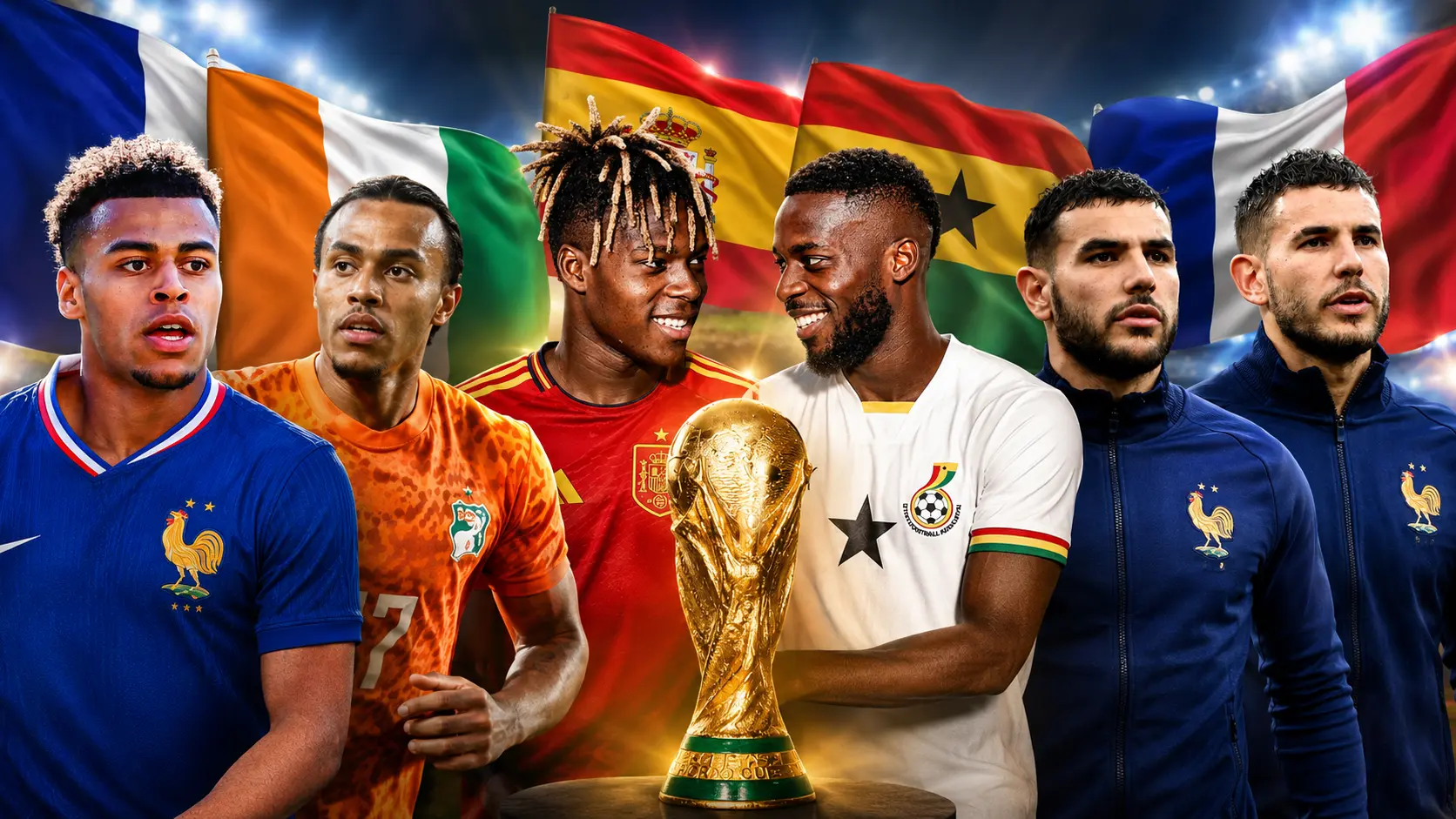
2026 ലോകകപ്പ്: ചരിത്രത്തിൽ ഇടംപിടിച്ച് സഹോദരങ്ങളുടെ സംഗമം
ലോകകപ്പ് ഫുട്ബോളിൽ കളിക്കുക എന്നത് ഏതൊരു താരത്തിന്റെയും സ്വപ്നമാണ്. എന്നാൽ, ഒരേ സമയം സഹോദരങ്ങൾ ലോകകപ്പ് ടീമുകളിൽ ഇടംപിടിക്കുന്നത് അപൂർവ്വമായ ഒന്നാണ്. 2026 ലോകകപ്പ് ഈ കാര്യത്തിൽ ഒരു പുതിയ ചരിത്രമാണ് കുറിക്കുന്നത്. ഫുട്ബോൾ ചരിത്രത്തിൽ ഏറ്റവും കൂടുതൽ സഹോദരങ്ങൾ മത്സരിക്കുന്ന ലോകകപ്പായി ഇത് മാറുകയാണ്. 1990-ലെ ഇറ്റാലിയൻ ലോകകപ്പിൽ അഞ്ച് ജോഡി സഹോദരങ്ങൾ പങ്കെടുത്തതായിരുന്നു ഇതുവരെയുള്ള റെക്കോർഡ്.
ഈ എണ്ണം ഇതിലും ഉയരാൻ സാധ്യതയുണ്ടായിരുന്നു. ഡച്ച് ഇരട്ടകളായ ക്വിന്റൻ ടിംബർ, ജൂറിയൻ ടിംബർ എന്നിവർ ടീമിൽ ഉണ്ടാകുമെന്ന് കരുതിയതായിരുന്നു. എന്നാൽ, അവസാന നിമിഷം ജൂറിയൻ ടിംബറിന് പരിക്കേറ്റതോടെ ആ എണ്ണം ഏഴായി ചുരുങ്ങി. ആധുനിക ഫുട്ബോളിന്റെ സവിശേഷതയെന്നോണം, ഇതിൽ മൂന്ന് ജോഡി സഹോദരങ്ങൾ മാത്രമാണ് ഒരേ ദേശീയ ടീമിനായി കളിക്കുന്നത്. ബാക്കി നാല് ജോഡികൾ കുടിയേറ്റം, ഇരട്ട പൗരത്വം, വ്യക്തിപരമായ തീരുമാനങ്ങൾ എന്നിവയുടെ അടിസ്ഥാനത്തിൽ വിവിധ രാജ്യങ്ങൾക്കുവേണ്ടിയാണ് പന്ത് തട്ടുന്നത്.
Reaching a World Cup is a privilege reserved for a select few. For two brothers to achieve it at the same time is something close to extraordinary. For it to happen seven times in the same tournament is, quite simply, unprecedented. The 2026 World Cup will be the World Cup with the most brothers in history, surpassing the record of Italia 1990, when five pairs took part.
The number could have been even higher. Dutch twins Quinten and Jurrien Timber were set to be the tournament’s eighth pair, but an injury from which Jurrien failed to recover ruled him out of the squad just days before the team’s debut.
His absence leaves the count at seven duos, with a particular detail that defines modern football: only three of them will wear the same shirt. The other four are spread across different national teams, a result of migration, dual nationality and the personal decisions that shape today’s game.
Those who share a dressing room
Lucas and Theo Hernandez (France)

The tournament’s most high‑profile pair. Sons of former footballer Jean‑Francois Hernandez and developed in Spain, the two defenders once again come together at a major tournament with Les Bleus. Lucas, now at Paris Saint-Germain, already knows what it is like to lift the World Cup — he did so at Russia 2018, and in Qatar 2022 both were part of the team that finished runners‑up. Theo, now established at Al‑Hilal as one of the best left‑backs on the planet, arrives at his second World Cup. Between them they already have more than 85 caps, and France once again start among the main favourites.
Leandro and Juninho Bacuna (Curacao)
If France represent the elite, Curacao embody the miracle. The small Caribbean island will play at the first World Cup in their history, and they will do so with two brothers as their standard‑bearers. Leandro, the captain and the player with the most appearances in the history of the national team, and Juninho, hardened in European football, were born in the Netherlands but chose their family’s homeland. They now lead one of the tournament’s most romantic debutants.
Laros and Deroy Duarte (Cape Verde)

The story repeats itself a few kilometres further east across the Atlantic. The Duarte brothers were also born and brought up in the Netherlands and also said yes to their roots: they will represent Cape Verde at the African country’s World Cup debut. Their choice encapsulates the spirit of this national team, built largely with children of the diaspora who decided to give something back to their parents’ land.
Those divided by flags
Nico Williams (Spain) and Inaki Williams (Ghana)

The most emblematic and probably the most beautiful case. The Williams brothers share a dressing room every day at Athletic Bilbao, but at World Cups they walk separate paths. Their parents crossed the Sahara Desert in search of a better life before Inaki was born in Bilbao, and that family story explains the two decisions: the elder chose Ghana to honour his family’s blood and wishes; the younger, a Euro 2024 winner with Spain, represents the country that watched them grow. They already took part together in Qatar 2022, although the draw never put them head‑to‑head. In 2026 they once again dream of that clash that football still owes them.
Desire Doue (France) and Guela Doue (Ivory Coast)
The brothers of the moment. Both were born in France, both came through the Rennes academy, but only one wears the blue of his birth country. Desire, a European champion with PSG and one of world football’s brightest prospects, is part of Didier Deschamps’ project. Guela, a defender at Strasbourg, chose Ivory Coast, his father’s homeland. Fate has already given them a taster: in a warm‑up friendly before the tournament, Guela scored precisely against France, and the image of the two brothers hugging at the final whistle travelled around the world. If their teams go deep into the tournament, a reunion in the knock‑out rounds would be one of the World Cup’s great storylines.
John Souttar (Scotland) and Harry Souttar (Australia)
Both centre‑backs were born in Scotland, but their mother Heather’s Australian nationality opened a different path for the younger brother. John, a Rangers player, remained faithful to the tartan; Harry, a Leicester City defender, chose the Socceroos. Their story is also marked by pain: in 2022 they lost their older brother Aaron, who died at 42 after a long battle with motor neurone disease. He was their idol, ‘like a second father’, and both carry him tattooed on their skin. The tragedy, they acknowledge, brought them closer than ever. Sunday will be an unforgettable day: Scotland debut against Haiti just before Australia face Turkey.
Brian Brobbey (Netherlands) and Derrick Luckassen (Ghana)
The most obscure pair and the last to be confirmed. Striker Brian Brobbey will play for the Oranje, while his older half‑brother, defender Derrick Luckassen, made Ghana’s squad as a late injury replacement. United by their mother and separated by their surnames, they complete the quartet of divided families. An additional curiosity: the Black Stars thus bring together two players with brothers at the tournament, Luckassen and Inaki Williams himself.
A tradition that goes way back
Brothers have always written memorable chapters at World Cups. Bobby and Jack Charlton lifted the trophy together with England in 1966.

The De Boer twins were the backbone of the Netherlands of the 1990s, and the Laudrups, Michael and Brian, brought glamour to Denmark.

Honduras took three brothers at once to South Africa 2010 — Jerry, Jhony and Wilson Palacios — a record for a single national team that still stands.

But the precedent that best foreshadowed what we will see this summer was set by the Boatengs: Kevin‑Prince, with Ghana, and Jérôme, with Germany, became the first brothers to face each other at a World Cup, and did so twice, in 2010 and 2014. What then seemed a rarity is now almost a trend.

***
There is a detail that adds extra spice to the equation: because of the draw, none of the four split pairs will meet in the group stage. Any fratricidal duel will have to wait for the knock‑outs, where the luck of the bracket could give us a Williams vs Williams, a Doué vs Doué or a Souttar vs Souttar with a ticket to the next round at stake.
The ball will start rolling and, for a month, there will be parents in the stands with two shirts in their backpack. Perhaps that will be the image that best defines this World Cup: the first truly global World Cup is also, more than ever before, a family affair.
🏆 Try out Football Xtra – FIFA World Cup edition. Your best second screen for watching World Cup matches 📺