


2026 ലോകകപ്പ്: ഓരോ മത്സരത്തിലും നിര്ബന്ധിത കൂളിംഗ് ബ്രേക്കുകൾ; വിമർശനങ്ങളും ലാഭക്കണക്കുകളും
2026 ഫിഫ ലോകകപ്പിലെ ഓരോ പകുതിയുടെയും 22-ാം മിനിറ്റിൽ റഫറി വിസിൽ മുഴക്കുന്നു, കളി താൽക്കാലികമായി നിർത്തിവെക്കുന്നു. കളിക്കാർ തങ്ങളുടെ വാട്ടർ ബോട്ടിലുകളെടുത്ത് വെള്ളം കുടിക്കുന്നു. മൂന്ന് മിനിറ്റിന് ശേഷം കളി വീണ്ടും ആരംഭിക്കുന്നു.
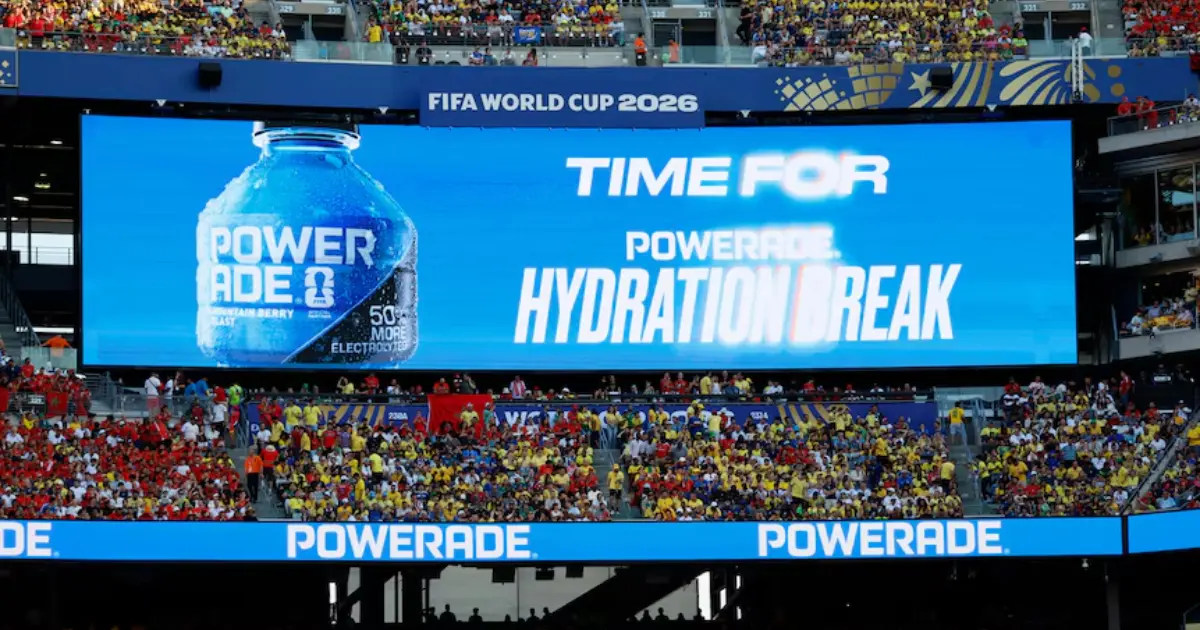
ഇതാണ് ‘കൂളിംഗ് ബ്രേക്ക്’. കാലാവസ്ഥയോ സ്റ്റേഡിയത്തിന്റെ സാഹചര്യങ്ങളോ പരിഗണിക്കാതെ ടൂർണമെന്റിലെ 104 മത്സരങ്ങളിലും ഇത് നിർബന്ധമാക്കിയിരിക്കുകയാണ്. കഠിനമായ ക്ലബ് ലോകകപ്പിന് ശേഷം കളിക്കാരുടെ ആരോഗ്യസുരക്ഷ മുൻനിർത്തിയാണ് ഇങ്ങനെയൊരു നടപടിയെന്ന് ഫിഫ വിശദീകരിക്കുന്നു. എന്നാൽ, ഇതിന് പിന്നിൽ വലിയൊരു സാമ്പത്തിക ലക്ഷ്യമുണ്ടെന്നതാണ് യാഥാർത്യം. ഫുട്ബോളിൽ ഇതുവരെ ലഭ്യമല്ലാതിരുന്ന 130 സെക്കൻഡ് പരസ്യസമയം ഇതിലൂടെ ബ്രോഡ്കാസ്റ്ററുകൾക്ക് ലഭിക്കുന്നു. പരസ്യങ്ങൾ അവസാനിക്കുന്നത് വരെ റഫറി കളി പുനരാരംഭിക്കാൻ അനുവദിക്കില്ല. ഇത് അമേരിക്കൻ കായിക സംസ്കാരത്തിന്റെ ഭാഗമാണ്.
In the 22nd minute of each half at the 2026 World Cup, the referee blows his whistle and the game stops. The players grab their water bottles and drink. Three minutes — and off they go again.
This is the cooling break, which has already driven many people mad. For the first time, it has become mandatory at all 104 matches of the tournament — regardless of temperature, weather or whether the stadium has a roof.
FIFA explain the breaks as a health measure after an exhausting Club World Cup, where heat was a problem.
Yet there is an obvious economic benefit. Broadcasters around the world have gained the ability to use up to 130 seconds of advertising time that previously did not exist in football. And yes, the referee does not allow the game to resume until all the ads have finished. All in the best American traditions.
Cooling breaks first appeared at the 2014 World Cup — but were used only in extreme conditions
At the 2026 World Cup there are two mandatory breaks: in the 22nd minute of each half. Each lasts three minutes from whistle to whistle.
There is a subtle nuance: under IFAB rules, a normal drinks break should last no longer than a minute. But there is also the concept of a ‘cooling break’. Such breaks can last from 90 seconds to 3 minutes. FIFA call these breaks drinks breaks, but given their length they are effectively cooling breaks. Previously, breaks existed too, but they were optional.

The first official cooling break at a World Cup came at Brazil 2014 — in the round of 16 between the Netherlands and Mexico in Fortaleza, where the temperature reached 39°C.
The trigger for the innovation was the heat in northern and north‑eastern cities, pressure from the Brazilian players’ union and a labour court ruling. The court obliged FIFA to implement breaks if the WBGT index — a metric factoring in temperature, humidity, sun, wind and other elements — reached 32°C. Breaks were scheduled around the 30th and 75th minutes. By protocol they lasted three minutes, and that time was added on at the end.
In‑game pauses are part of American sports culture
For a European viewer, an advertising break during a half is almost unthinkable. Ads usually come before the match, at half‑time and after the final whistle.

In the United States, sport works differently. The NFL, NBA, NHL and baseball are not just games but television products with regular stoppages. Quarters, timeouts, breaks between plays, challenges, ad breaks. American viewers are used to games being constantly sliced into segments, and networks having built‑in slots to sell advertising.
An NFL fan in the US watches almost 24 hours of advertising over a season — and sees nothing strange in it. According to Nielsen Sports, in 2022 almost a third of linear TV ad revenues in the US — around $24.7 billion — were tied to live sports broadcasts.
Soccer stood out against other sports in the US. That made it hard for the game to become a major TV product. In the 1970s there was talk that soccer was about to grow and push aside traditional American sports. But big networks ran into a problem: it was almost impossible to monetise a soccer match properly during play. There were no timeouts, quarters or guaranteed ad breaks.
Producers coped as best they could: in early broadcasts, they cut to commercials during the game — sometimes missing key moments. In 1975, viewers did not see Pele’s assist in his debut for the New York Cosmos live; in 1979, one channel went to ads just as the decisive goal in a Cosmos game was being scored.
Later, major network ABC tried to make a serious push into the North American Soccer League: in 1979 it signed a two‑year deal for a series of broadcasts. But ratings were low. By 1981, the channel had effectively left only the season’s final on air.
Not all broadcasters profit from the 2026 World Cup cooling breaks
FIFA’s revenue from TV rights for the 2026 World Cup is expected to be around $3.9 billion — 44% of the federation’s projected $8.9‑billion income for 2026. It is telling that FIFA first presented the new break system at a meeting with broadcasters in Washington.

Specific rules were drawn up for the drinks breaks. Ads cannot be launched immediately after the whistle — broadcasters must wait 20 seconds. They must return to live play at least 30 seconds before the restart. So, out of a three‑minute break, about 130 seconds are pure ad time. Per match, that makes 260 seconds — roughly 8–9 30‑second spots.
The formats vary too. Broadcasters were offered two options: picture‑in‑picture — ads from FIFA’s official partners over the ongoing live feed — or a full commercial break.
S&P Global analyst Michael Johnson told Reuters that such slots could be ‘extremely valuable’ and ‘potentially reach Super Bowl‑level prices — in the range of seven to $9 million’.
Fox quickly showed how it works in practice. In the opening match, the channel was already cutting to full ads during breaks. Then came the first scandal: referee Wilton Sampaio had to extend a break by a minute because of Fox’s advertising — he was informed of this by the touchline coordinator.

Even so, the channel still failed to return to the game in time: the ad break dragged on so long that the live broadcast only came back 10–15 seconds after play had resumed, despite the restart already being delayed.
Fox in the US chose the most commercial route. But far from everyone is benefiting from the drinks breaks.
Telemundo, the Spanish‑language rights holder in the US, chose a different model: it does not leave the pitch during breaks, instead showing players, coaches and replays. “We are one of the few networks in the world that do not show ads during the breaks. We prefer old‑school. We have to see what the players are doing,” one Telemundo commentator said.
In Britain, ITV also refused to show ads during the breaks — because of limits imposed by media regulator Ofcom and audience expectations. The BBC cannot show such advertising at all: British BBC services are funded through the licence fee and do not carry commercial ads.
In Europe in general, broadcasters are more cautious, because viewers are less accustomed to adverts during play. On top of that, the system is tied to subscriptions.